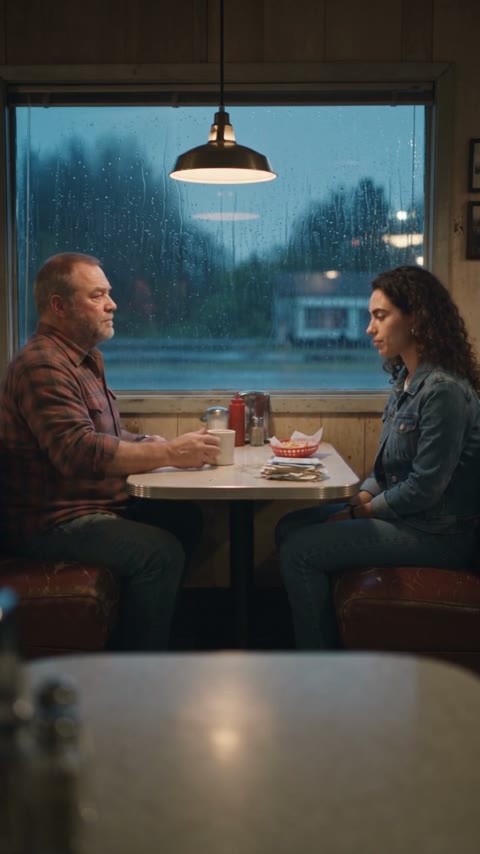
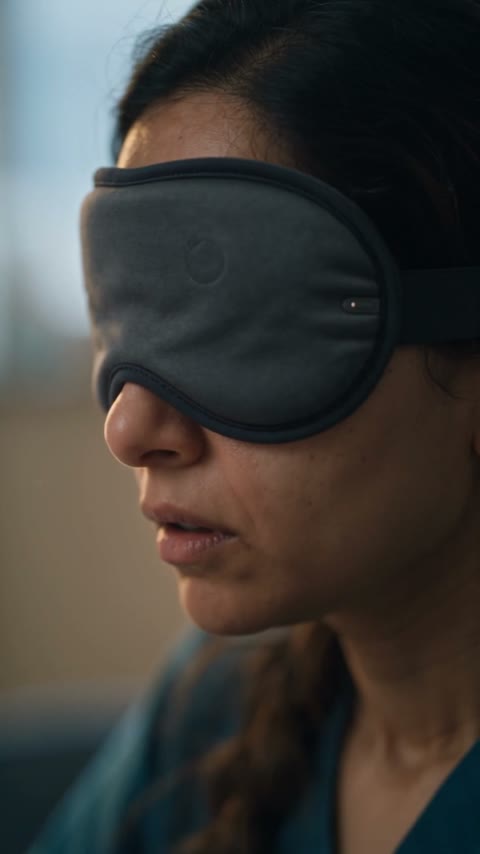

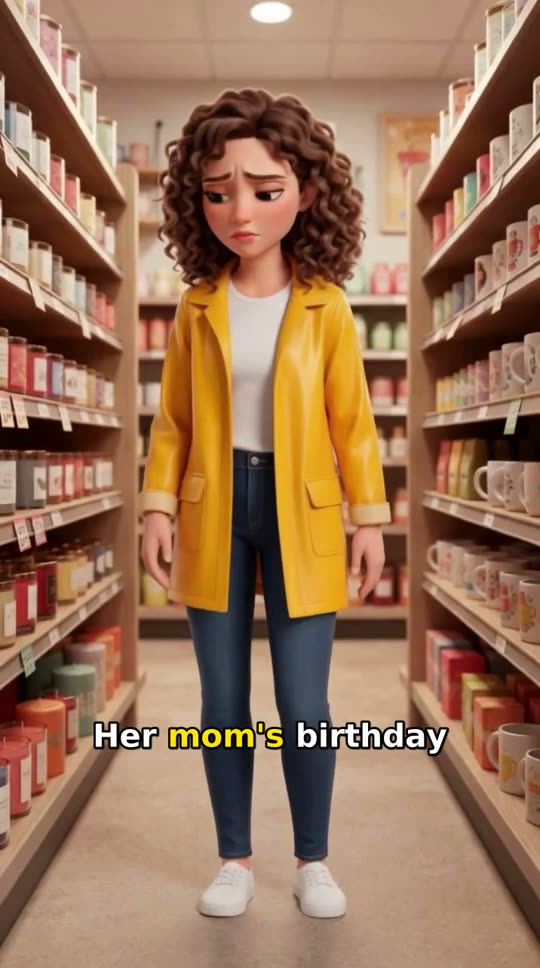




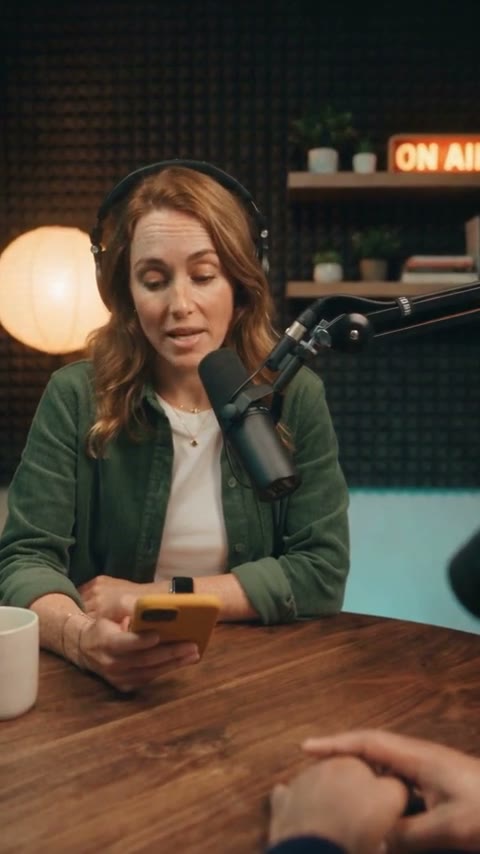
Cartoon video ads, made end to end
Describe the product and the character. make.ad draws them, writes the script, sings it, animates every beat and hands you the mp4.
Seven stages · four of them stop for you · from $59 a month
The trade
A brief is a paragraph and a few settings: the brand, who is in it, what it should look like, how long it should run. Everything downstream of that — the drawing, the writing, the singing, the cutting — is the studio's job.
Rendered on Kie, cut with ffmpeg9:16 · 720p
How it works
A stage is minutes of rendering and real credits, so a failure costs one stage and never a whole ad — and you can step in between any two of them.
Character
One anchor drawing. Every scene is redrawn from it, so the face never drifts.
you approve it
Script
Eight blocks of a direct-response script, and the ad copy that runs beside the video.
you approve it
Voice
Sung, or read. Made before any picture, because the track sets the timing.
you approve it
Scenes
One still per beat, each drawn from the character sheet you approved.
you approve it
Clips
Every still animated for exactly as long as its line is sung.
Assembly
ffmpeg joins the clips and mixes the audio. No model involved.
Done
An mp4 in your workspace, and a link you can send to anyone.
The one that matters
A singer will not be hurried — asked for a length, it drops words instead. So the track goes first and every clip is rendered for exactly as long as its line is sung. Built the other way round, clips have to be slowed and frozen to cover the words, and you can hear it in the first three seconds.
Start an adWhy it works
You see the character, the script and the sound before one scene is drawn, and the stills before they become clips. A still is one render; its clip costs about ten times that. A face that drifted is only cheap to fix before it moves.
Model, resolution, aspect, clip length and voice all come off the form. The render tools take a prompt and a reference picture and nothing else, so no run can quietly spend your credits at a setting you never chose.
A stage is told your brand, your promise, your audience and what it may never claim — and nothing else. Nothing another ad in the studio knows can wander into yours.
Not happy with the script? Type what is wrong. That stage runs again with your note in front of it, and keeps everything you did not complain about exactly as it was.
Stages run one at a time and each is claimed on its own. When one fails it says why on the ad, and you retry that stage — never the whole ad, and never the renders you already paid for.
Give it a theme and a number and it writes that many angles — a different moment, a different setting, a different way in — then makes every one of them while you sleep.
Pricing
Rendering is what costs money, so a plan is credits, not seats. A stage that fails retries without spending more.
A credit is a cent. A default ad is about 1,040 of them.
Every plan includes
Top up
Kept until you spend them. The bigger packs come with free credits on top.
5,000
credits
11,000
credits
29,500
credits
60,000
credits
125,000
credits
How credits move
Every ad is priced in credits from its settings before you submit it.
The quote is held on submit and spent render by render. A failed stage retries without a new hold.
Whatever the ad did not use is released the moment it finishes.
Payments and receipts are Stripe's; no card detail touches this site. Cancel whenever: the next renewal stops and every ad, brand and video in your workspace stays where it is.
Your workspace, your brands, your ads. Nobody else's — and nothing of yours anywhere else.
No card to look around. Nothing renders until you pick a plan.